
- Exceptional stability under high pressure and demanding conditions
- Excellent thermal conductivity for optimal performance
- Superior resistance to extrusion
- High wear resistance for extended service life
- Low friction, ensuring smooth operation without hydraulic stick-slip.
-
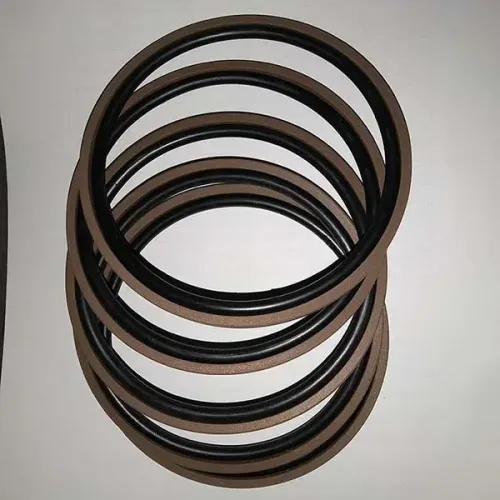
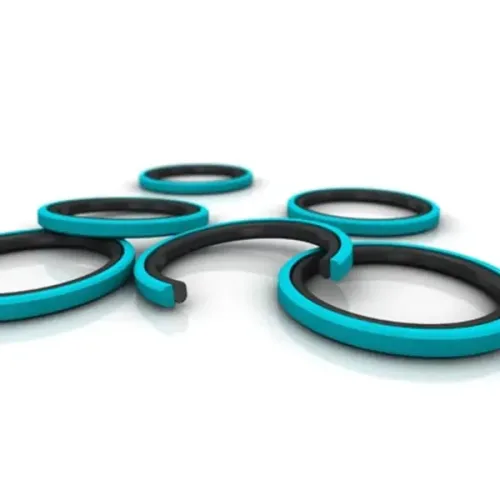 Engineered for dual-sided piston pressure, the slip ring features pressure guide grooves on both sides, allowing it to handle rapid pressure fluctuations effectively. Key Features:
 -
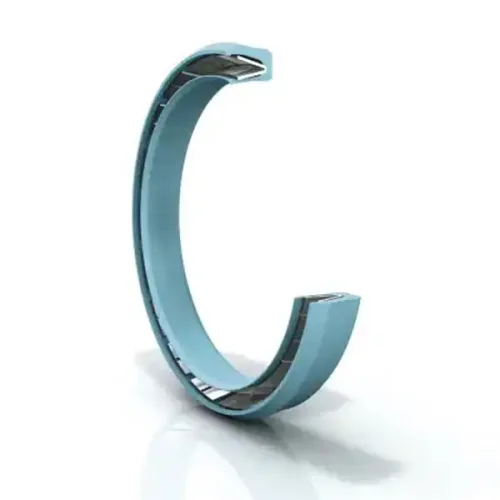
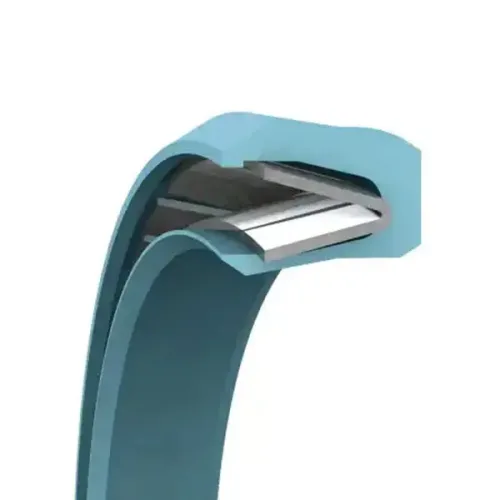 The M2-type seal is designed for reciprocating applications and is suitable for both external and internal circumferential sealing, making it ideal for harsh environments and special media. Key Features: Suitable for both reciprocating and rotating movements Compatible with a wide range of liquids and chemicals Low friction coefficient for efficient performance No stick-slip effect, ensuring smooth and precise operation Excellent corrosion resistance and dimensional stability Tolerates rapid temperature fluctuations Safe for use with food and pharmaceutical fluids, preventing contamination Can be sterilized for hygienic applications Offers an unlimited shelf life.
 -
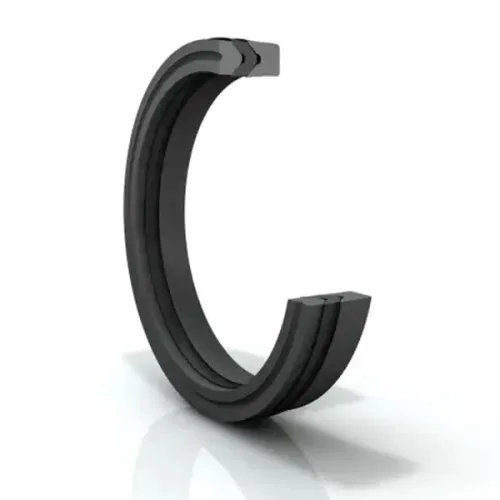
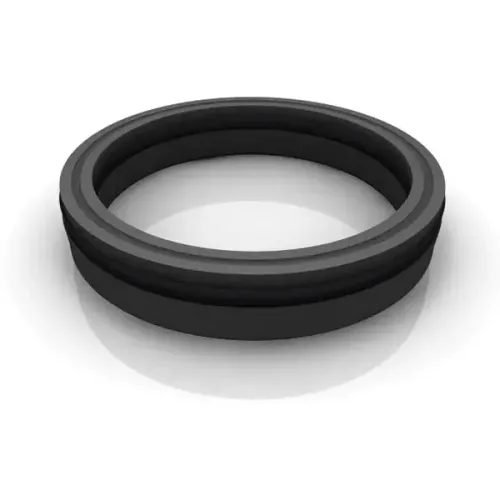 This seal pack is designed for demanding operating conditions and is commonly used as maintenance spare parts for older equipment. The V-type sealing group, EK type, and EKV configuration can be applied to pistons with pressure on one side or installed "back-to-back" for systems with pressure on both sides of the piston. Key Features: Withstands extreme operating conditions Long service life Customizable to fit specific equipment requirements Performs reliably even on surfaces with poor quality for a limited time Resistant to contamination in hydraulic fluids May experience occasional leakage or friction due to structural design in certain conditions.
 -
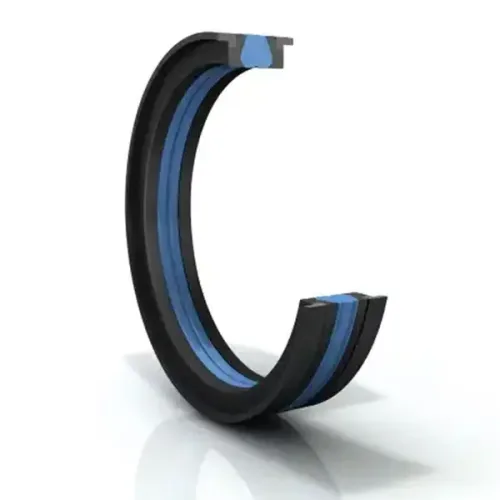
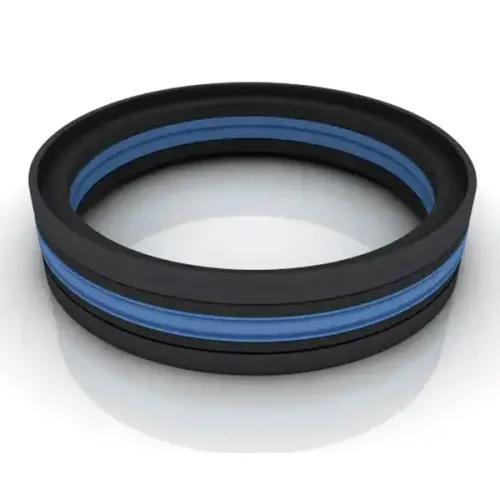 Seals efficiently provide both guiding and sealing functions within a compact space. They are compatible with mineral oils such as HFA, HFB, and HFC fire-resistant hydraulic fluids (maximum operating temperature of 60°C). The seals are designed for easy installation with a straightforward, integrated piston structure. The unique geometry of the NBR sealing element ensures distortion-free installation within the groove.
 -
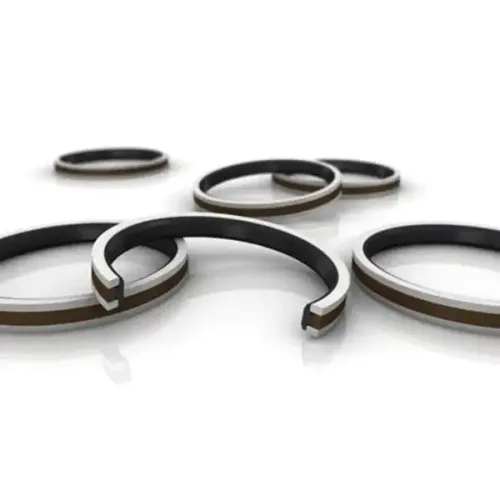
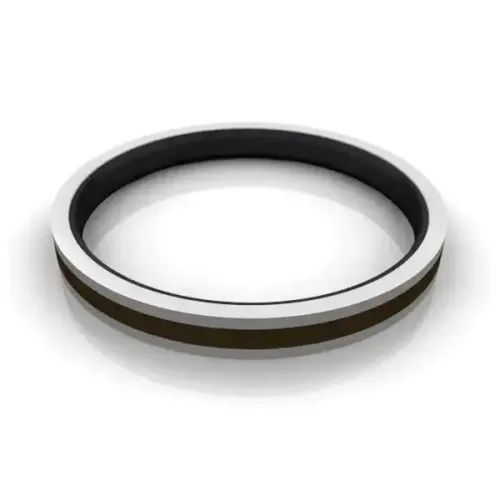 Each component of the combined seal ring delivers outstanding performance, featuring: Low friction Minimal wear rate Two seal rings to prevent extrusion Initial interference designed to maintain seal integrity at low pressure Stable rectangular geometry for effective sealing
 -
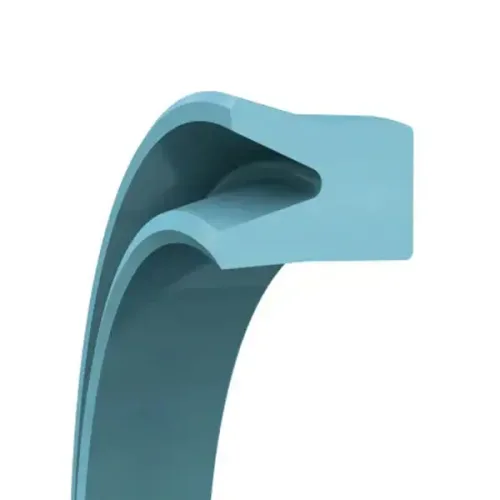
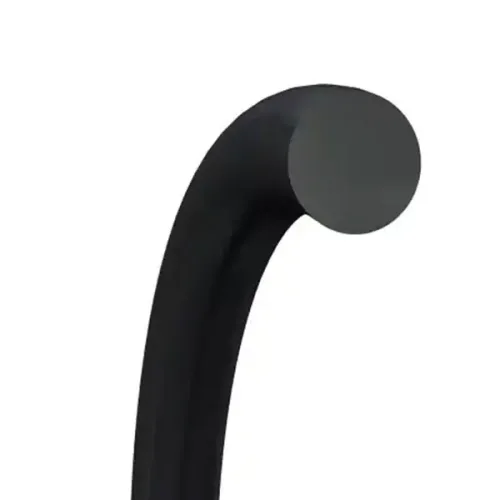
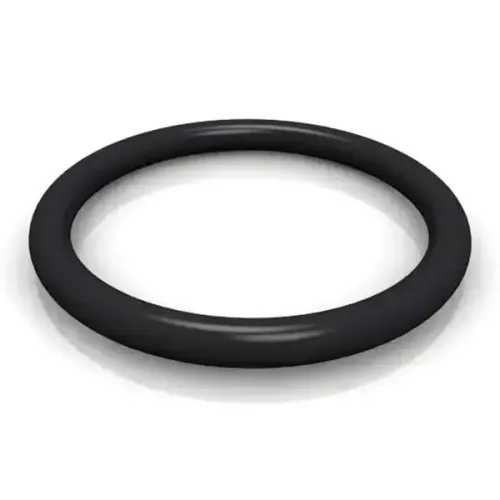
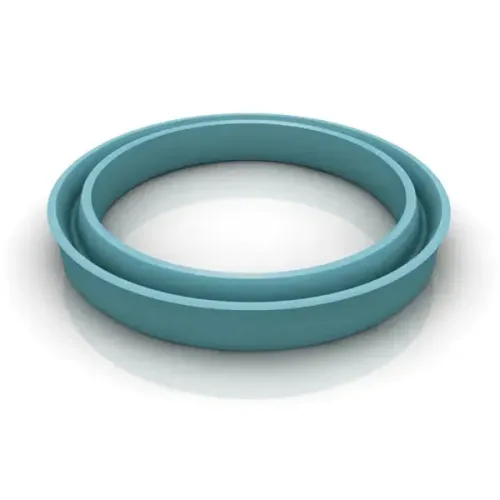 Offers excellent abrasion resistance Highly resistant to extrusion and deformation Provides superior impact resistance Minimal compression set Designed for easy installation in the most demanding operating conditions.
 -
-
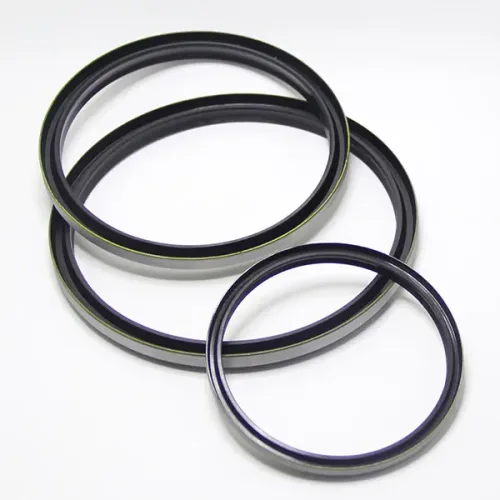
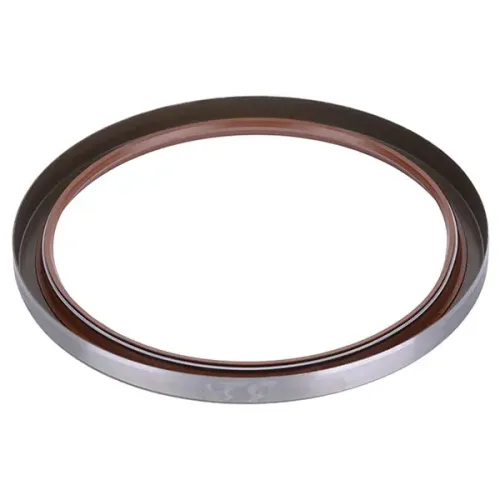 Oil seals are extensively used across various industrial sectors. The metal skeleton assembly within the cavity ensures exceptional stability and precision. However, the static sealing performance at the outer edges of the metal skeleton may be limited when dealing with low-viscosity fluids and gases. The integrated dust-proof lip effectively blocks moderate dust and external contaminants from entering the system.
 -
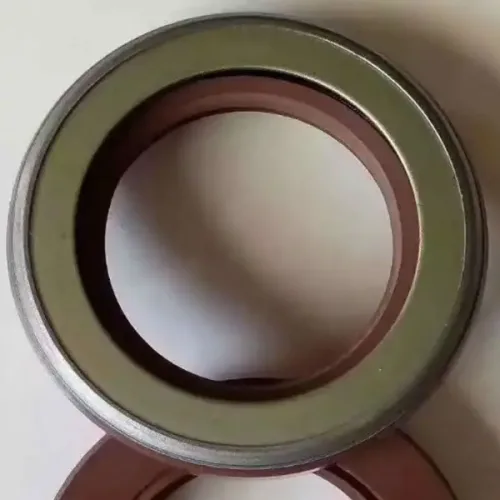
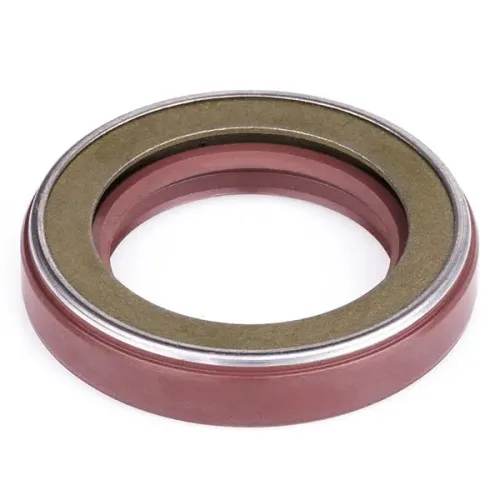 Oil seals are commonly used in a variety of industrial applications. They are ideal for large-sized oil seal housings and rough-positioning surfaces. However, when sealing low-viscosity fluids and gases, the static sealing effect between the metal skeleton’s outer edge and the cavity’s inner edge may be limited. The built-in dust-proof lip helps prevent moderate dust and external contaminants from entering the system.
 -
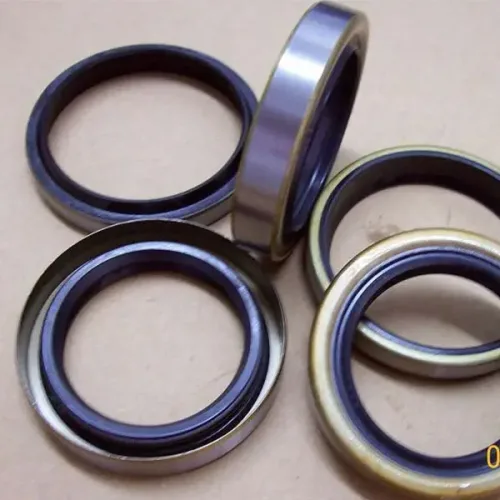
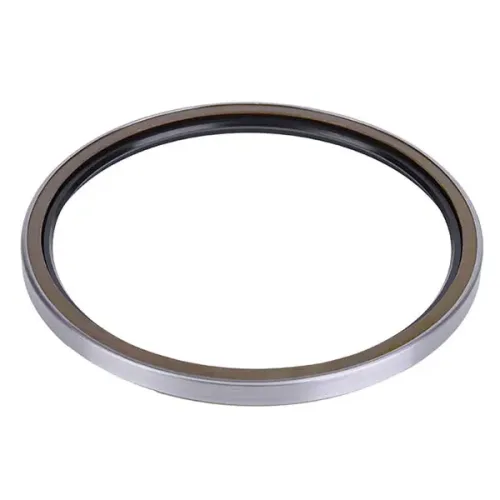 Oil seals with metal skeleton assemblies are extensively used across various industrial applications. The metal skeleton ensures exceptional stability and precision within the cavity. However, when sealing low-viscosity fluids and gases, the static sealing effect at the outer edges of the metal skeleton may be limited.
 -
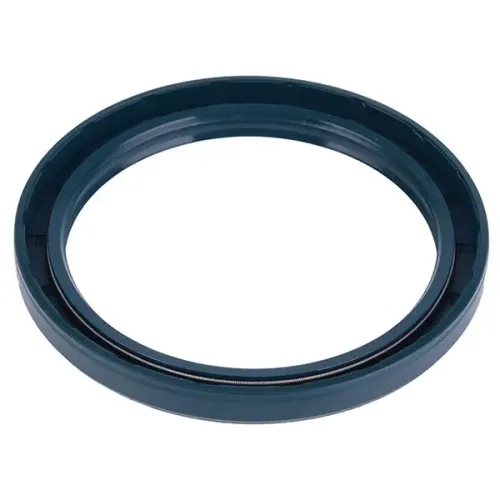
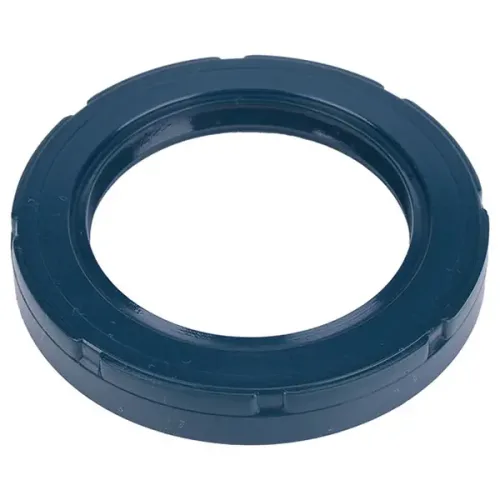 The outer edge of the oil seal is rubber-coated, featuring a short, flexible sealing lip with a spring and a dust-proof lip. This type of oil seal is primarily used in applications involving oil and pressure. Its TCV skeleton has a single-piece structure, minimizing lip deformation under pressure. It is ideal for use in high-pressure environments (up to 0.89 MPa) and applications with large axial diameters.
 -
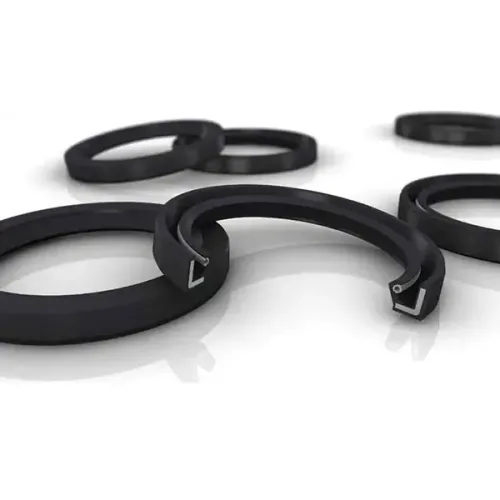
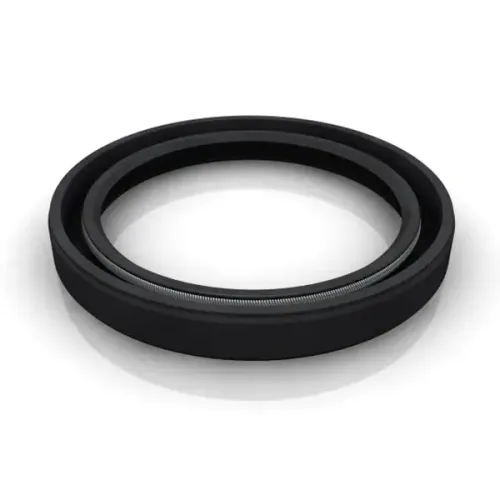 Radial Oil Seals SC feature an outer edge made of rubber elastomer with a spring-loaded sealing lip, designed without a dust-proof lip, making them suitable for single-sealing applications at higher speeds. The sealing lip’s front end is precisely shaped through machining to ensure optimal sealing accuracy. Its contour is molded for a precise fit, ensuring better contact with the shaft surface for enhanced sealing performance.