-
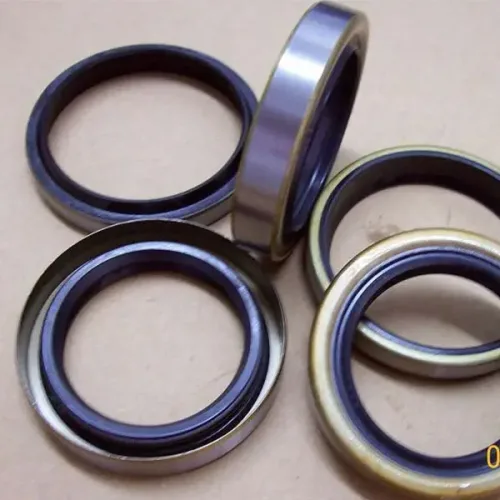
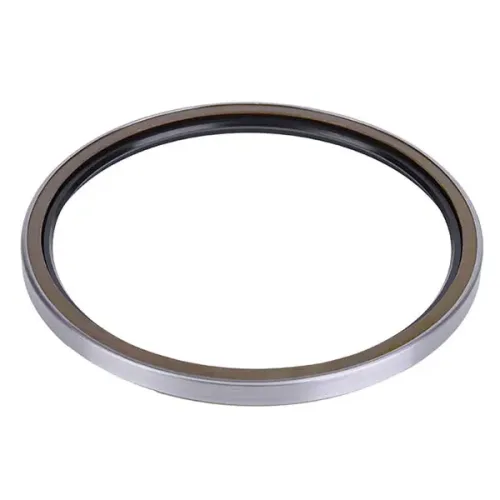 Oil seals with metal skeleton assemblies are extensively used across various industrial applications. The metal skeleton ensures exceptional stability and precision within the cavity. However, when sealing low-viscosity fluids and gases, the static sealing effect at the outer edges of the metal skeleton may be limited.
 -
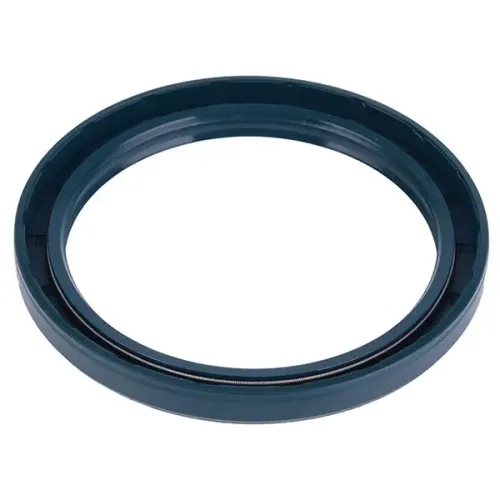
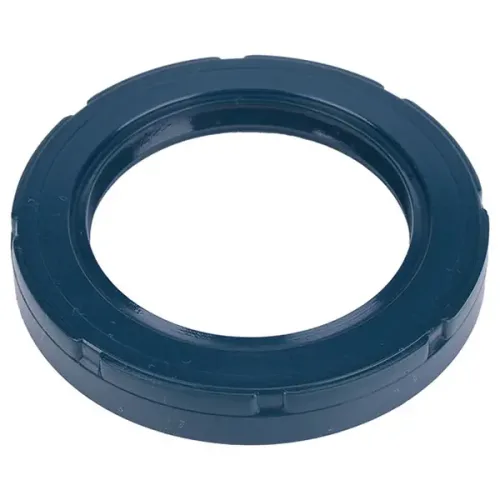 The outer edge of the oil seal is rubber-coated, featuring a short, flexible sealing lip with a spring and a dust-proof lip. This type of oil seal is primarily used in applications involving oil and pressure. Its TCV skeleton has a single-piece structure, minimizing lip deformation under pressure. It is ideal for use in high-pressure environments (up to 0.89 MPa) and applications with large axial diameters.
 -
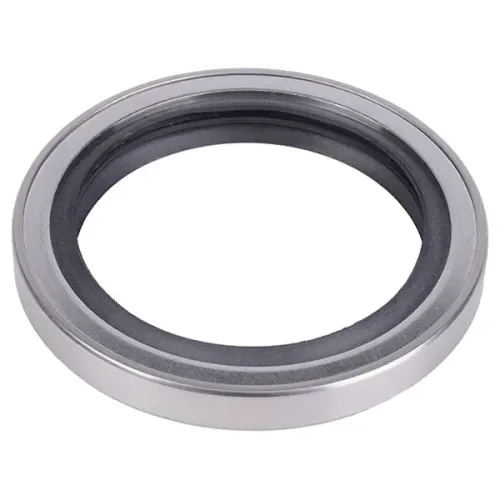
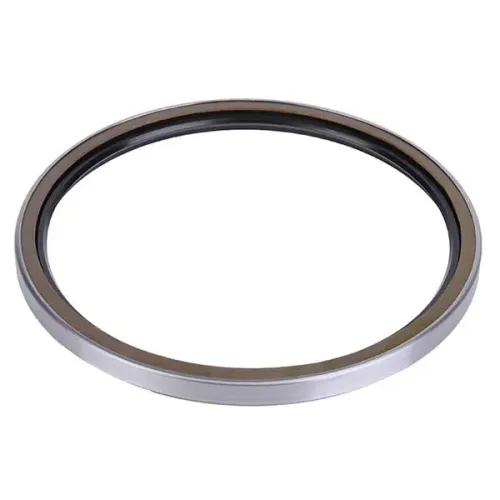 Oil Seals TC are extensively used in a wide range of industrial applications. They are well-suited for large-sized oil seal housings and rough-positioning surface fittings. However, when sealing low-viscosity fluids and gases, the static sealing effect between the metal skeleton's outer edge and the cavity's inner edge may be limited.
 -
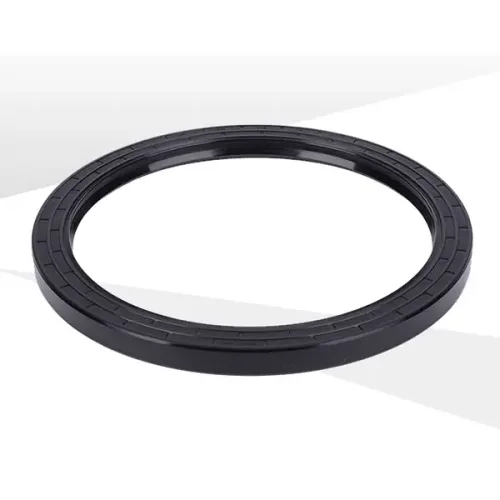
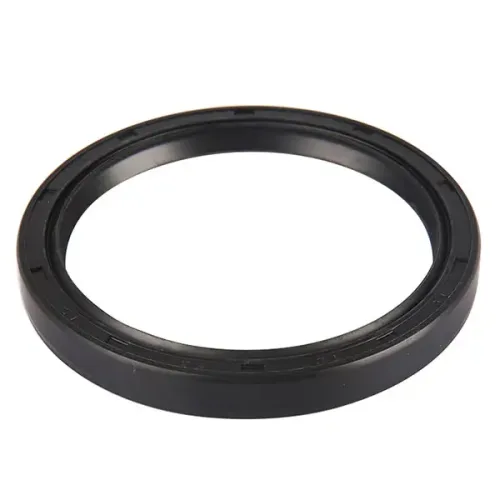 Oil Seals TC are commonly used across various industrial applications. Their outer edge ensures a secure fit, even in cases where the seat hole surface is rough or subject to thermal expansion. They are effective in sealing low-viscosity fluids and gases, even in open-cavity installations. Equipped with a dust lip, they provide reliable protection against moderate dust, dirt, and other contaminants from the external environment.
SAMA INTEGRATED TRADING CO.
Mobile: 0532208934 | C.R: 2050195825 | Vat No: 312531360100003
Riyadh: Dirar Ibn Al Azour, Al Khalidiyah, Riyadh 12872 – Kingdom Of Saudi Arabia
Dammam: Building No. 4168 Al Dhahran Al Jubail Branch Road Al Khuthriah Dist.
Dammam, Kingdom Of Saudi Arabia
© Copyright 2012 - 2026 | SAMA INTEGRATED TRADING CO. | All Rights Reserved